The facts
Why choose organic?
Not all food is produced the same way. Here is what certified organic actually means, and why it is the way we choose to farm.
Simply put
Certified organic is a whole way of farming - not a label you can add at the end.
Certified organic production follows strict national standards that govern feed, farming inputs and the way animals are raised. The standards prohibit synthetic pesticides and herbicides, artificial fertilisers, genetically modified materials and routine growth-promoting drugs - and every part of the system is independently checked. It is a slower, more careful way to produce food, and it is the way we have farmed at Enviroganic since 1999.
How it compares
Certified organic, free range and conventional.
These terms are often used as if they mean the same thing. They do not.
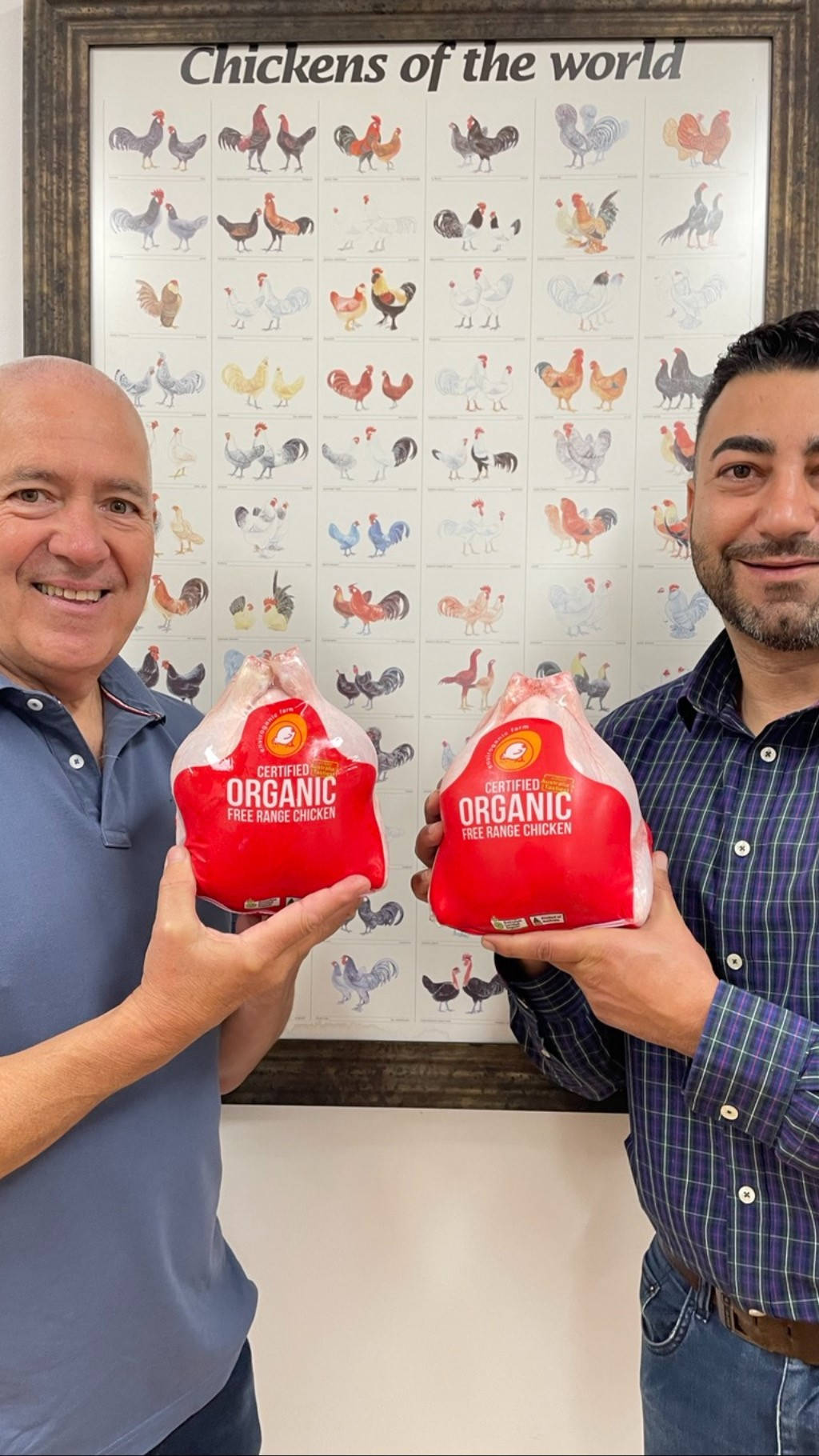
Enviroganic Farm chickens are both free range and certified organic - so you get the genuine article, verified from paddock to plate. See the certified organic difference.
Animal welfare
The wellbeing of the birds comes first.
The health and wellbeing of the animals is central to organic farming, not an afterthought.
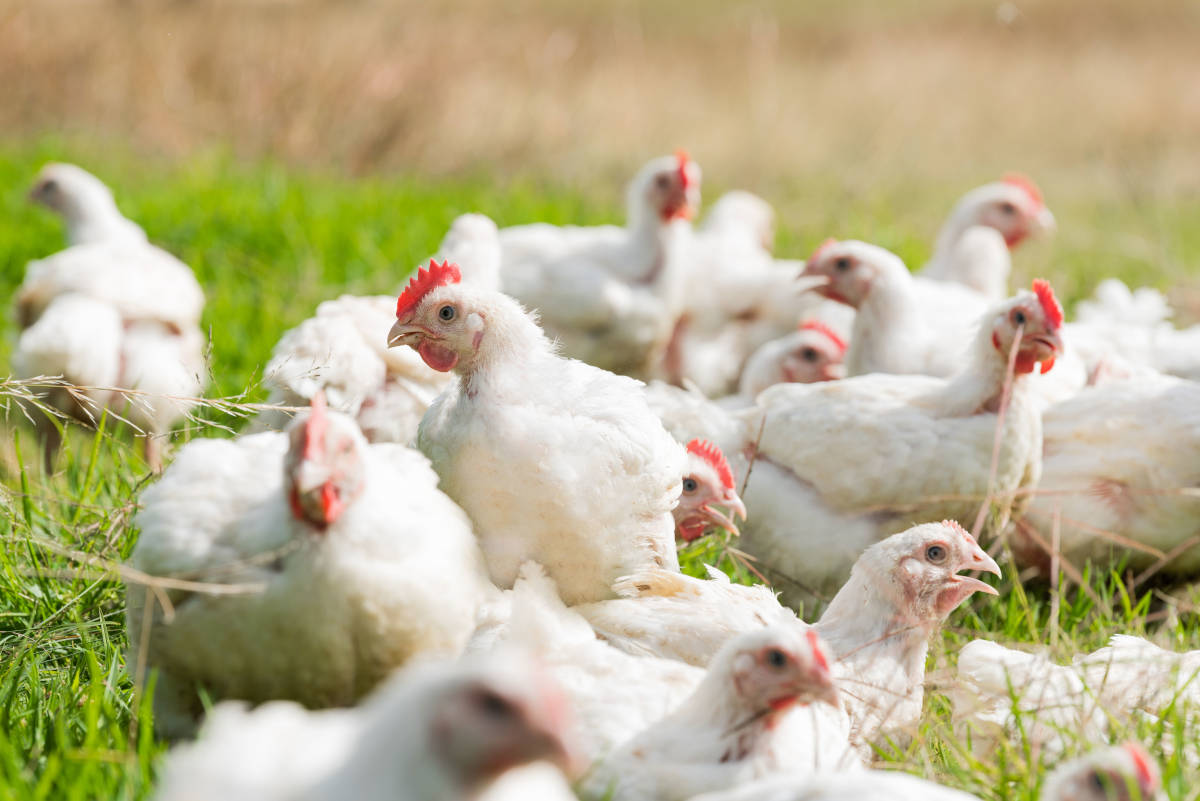
- Genuine access to the outdoors, with room to range and behave naturally
- Fed certified organic feed - no genetically modified material
- No growth-promoting drugs
- Welfare standards that are independently audited, not just claimed
Farming and the environment
A whole-farm system, cared for at every step.
Organic farming works with the land rather than against it. Instead of reaching for artificial fertilisers, we build healthy soil the natural way - and on our own farm, that looks like this:
Farming inputs
What goes in - and what doesn't.
Certification sets clear rules about what can and cannot be used in organic production. Under the national standard, certified organic farming does not permit synthetic pesticides, herbicides or artificial fertilisers, genetically modified materials, or routine growth-promoting drugs.
In their place, organic standards also set out what food is not allowed to contain. Additives such as artificial colourings and flavourings, hydrogenated fats, aspartame and monosodium glutamate (MSG) are not permitted. The focus is on producing food simply, and letting it be what it is.
Taste
It tastes how food should.
A lot of food today is bred for shelf life and quick turnover rather than flavour. Organic food is different - grown more slowly, in its own time. The result is a flavour people recognise: the way food used to taste.
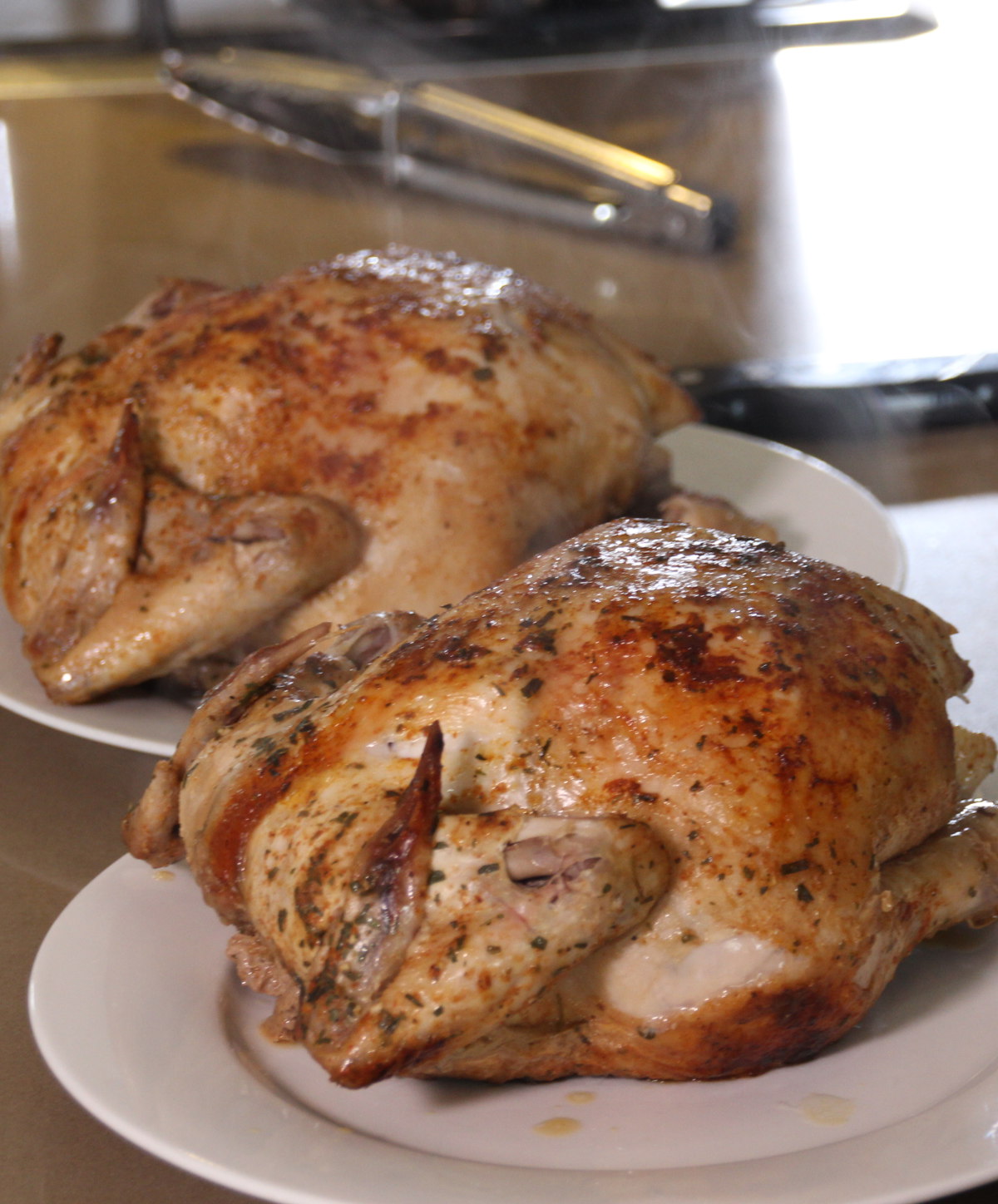
Organic food isn't a luxury. It is how food is supposed to be - and in a national blind taste test, a panel of five notable palates agreed, ranking Enviroganic the best-tasting chicken in the country.
Certification
Look for the certification.
The only way to be sure you are buying genuinely organic produce is to check that it has been certified by an approved organic certifier. Certification is independent proof that what's on the label is what you are getting.
Enviroganic Farm is certified by Australian Certified Organic. We work closely with our certifying body, Australian Certified Organic, to ensure our farming systems meet the national standard of organic guidelines.
Certified and independently verified
Credentials you can trust.

The genuine article
Taste the difference for yourself.
Explore our certified organic range, or find your nearest stockist.